

Choosing Between Assisted and Independent Living in Washington
Choosing the right living arrangement for a loved one can be a daunting task, especially when considering the differences between assisted living and independent living. This guide aims to clarify these two senior care options, helping families make informed decisions based on their loved ones’ needs. Assisted living provides support for daily activities, while independent living offers a more autonomous lifestyle with fewer services. Understanding these distinctions is crucial for families navigating the complexities of senior care. In this article, we will explore the definitions, services, costs, eligibility criteria, and factors to consider when choosing between assisted living and independent living in Washington State.
What Are Assisted Living and Independent Living Communities?
Assisted living and independent living communities cater to different needs of seniors. Assisted living facilities provide a supportive environment for individuals who require assistance with daily activities such as bathing, dressing, and medication management. These communities often feature trained staff available around the clock to ensure residents receive the care they need.
In contrast, independent living communities are designed for seniors who are generally healthy and active but may desire a maintenance-free lifestyle. These communities offer amenities such as meal services, social activities, and transportation, allowing residents to enjoy their independence while having access to support if needed. Understanding these differences is essential for families when evaluating the best living arrangement for their loved ones.
How Is Assisted Living Defined and What Services Are Included?
Assisted living is defined as a residential option that provides personal care services to seniors who need help with daily activities. These services typically include assistance with bathing, dressing, grooming, medication management, and meal preparation. Many assisted living facilities also offer social activities, transportation services, and health monitoring.
Eligibility for assisted living often depends on the individual’s health and care needs. Seniors who require assistance with two or more activities of daily living (ADLs) may qualify for this type of care. Examples of assisted living facilities include those that provide specialized memory care for individuals with dementia or Alzheimer’s disease, ensuring that residents receive tailored support.
How Do Costs Compare Between Assisted Living and Independent Living in Washington State?
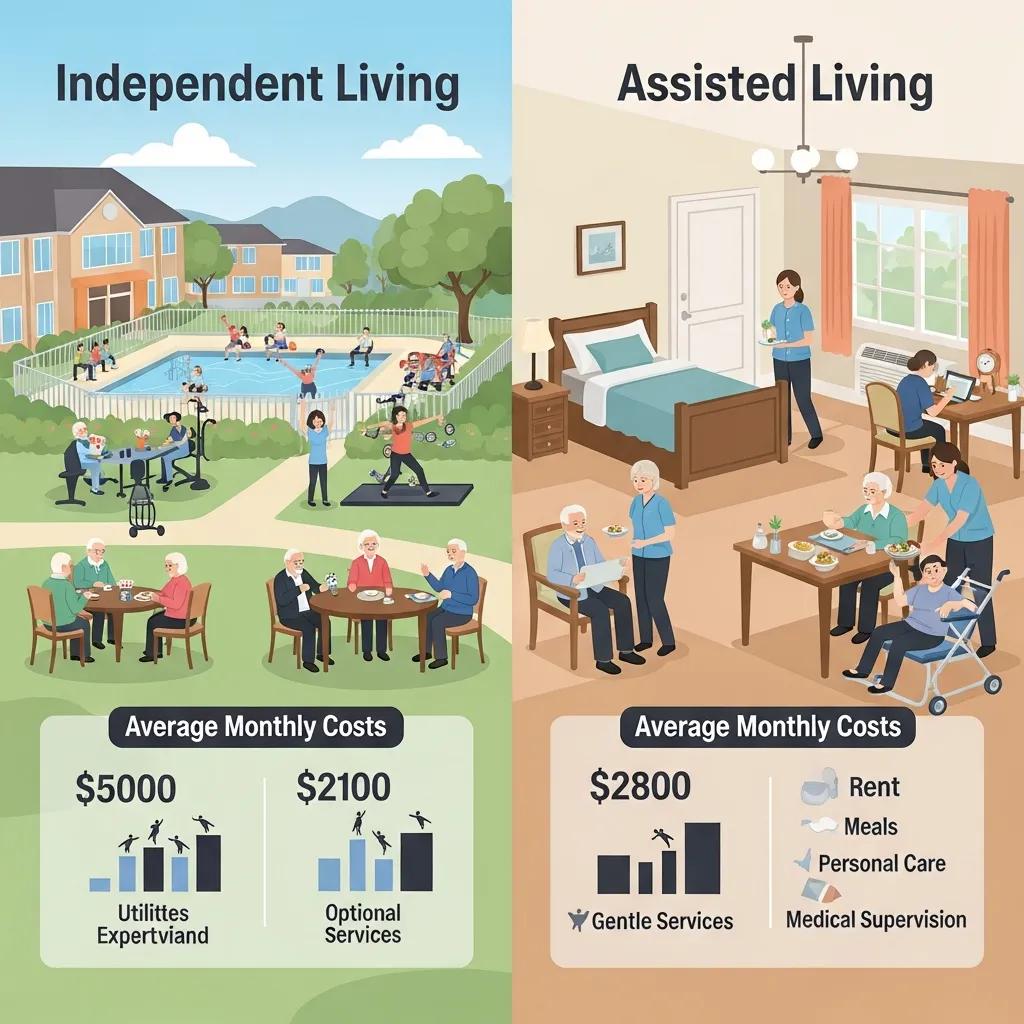
When considering senior care options, understanding the costs associated with assisted living and independent living is crucial. The expenses can vary significantly based on location, services provided, and the level of care required.
Given the significant financial implications, it is essential for families to thoroughly compare the costs of various assisted living facilities.
Comparing Assisted Living Costs in the US
Because assisted-living costs vary widely in the United States, it is very important for consumers to compare prices of ALFs.
Costs, staffing, and services of assisted living in the
United States: A literature review, DP Paul III, 2014
What Are the Typical Cost Ranges for Assisted Living in Washington?
In Washington State, the average cost of assisted living typically ranges from $4,500 to $6,000 per month, depending on the facility and services offered. Factors influencing these costs include the size of the living space, the level of care required, and additional amenities such as meals and activities. Financial assistance options, such as Medicaid, may be available for eligible individuals, helping to offset some of these costs.
Further research highlights the specific financial aspects of healthcare within these settings, particularly concerning medication expenses.
Medication Costs in Assisted vs. Independent Living
Assisted-living (AL) settings are an important residential care option for old and disabled Americans, but there are no national data characterizing medication use in AL. To investigate medication costs and use of older adults living in the AL settings compared to those in the community, independent living, and nursing home settings.
Medication costs and use of older Americans in assisted living settings: a nationally representative cross-sectional study, L Lei, 2023
How Does Independent Living Cost Differ and What Factors Influence Pricing?
Independent living costs generally range from $2,000 to $4,000 per month in Washington. The pricing is influenced by factors such as location, the size of the apartment, and the amenities provided. Unlike assisted living, independent living does not typically include personal care services, which can make it a more affordable option for seniors who are still capable of managing their daily activities independently.
Who Is Eligible for Assisted Living Versus Independent Living?
Eligibility for assisted living and independent living varies based on the individual’s health and care needs. Understanding these criteria is essential for families when considering the best option for their loved ones.
What Health and Care Needs Qualify Seniors for Assisted Living?
Seniors who require assistance with two or more activities of daily living (ADLs) may qualify for assisted living. Common health issues that may necessitate this type of care include mobility challenges, cognitive impairments, and chronic health conditions that require ongoing management. Assessment by healthcare professionals is often necessary to determine eligibility.
Can Independent Living Residents Access Additional Support Services If Needed?
While independent living residents typically do not receive personal care services, many communities offer access to additional support services as needed. This may include home health care, meal delivery, or transportation services. Families should inquire about the availability of these services when considering independent living options for their loved ones.
What Factors Should Families Consider When Choosing Between Assisted and Independent Living?
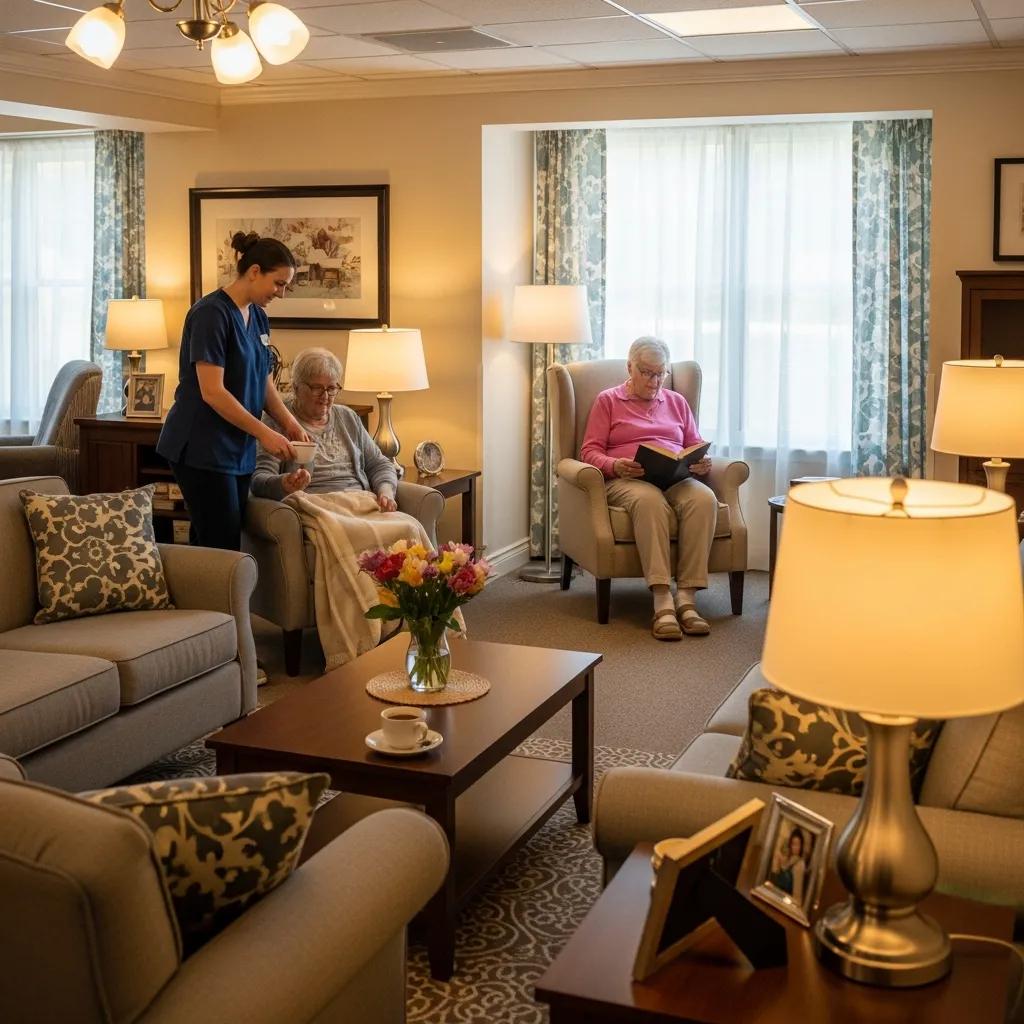
When deciding between assisted living and independent living, families should consider several factors to ensure they choose the best option for their loved ones. These factors include the individual’s care needs, financial situation, and lifestyle preferences.
- Care Needs Assessment: Evaluate the level of assistance required for daily activities.
- Cost Considerations: Compare the financial implications of each option, including potential financial assistance.
- Lifestyle Preferences: Consider the individual’s desire for independence versus the need for support.
How Do Health, Autonomy, and Lifestyle Preferences Influence the Choice?
Health status plays a significant role in determining the appropriate living arrangement for seniors. Those with chronic health conditions or mobility issues may benefit from the support offered in assisted living, while healthier seniors may prefer the autonomy of independent living. Additionally, lifestyle preferences, such as social engagement and activity levels, should be taken into account when making this decision.
What Role Do Financial Considerations and Local Resources Play?
Financial considerations are crucial when evaluating senior living options. Families should explore available resources, such as government assistance programs, to help manage costs. Local resources, including senior centers and community organizations, can also provide valuable information and support for families navigating the decision-making process.
Which Senior Living Communities Are Available in Washington State?

Washington State offers a variety of senior living communities, each with unique features and services. Families can find options that cater to different needs and preferences, ensuring that their loved ones receive the appropriate level of care and support.
What Are Notable Assisted Living Facilities in Washington?
Some notable assisted living facilities in Washington include those that specialize in memory care, providing tailored support for individuals with cognitive impairments. These facilities often feature secure environments and trained staff to ensure the safety and well-being of residents.
Where Can Seniors Find Independent Living Communities Near Me?
Seniors seeking independent living communities can explore various resources, including online directories, local senior service organizations, and senior care advisors. These resources can help families identify suitable options based on location, amenities, and services offered.
How Can Senior Care Advisors Help You Find the Right Living Option?
Senior care advisors play a vital role in helping families navigate the complexities of choosing the right living arrangement for their loved ones. These professionals provide personalized guidance and support throughout the decision-making process at no cost to families.
What Personalized Advisory Services Are Offered for Washington Families?
Senior care advisors offer a range of services tailored to the needs of Washington families. These services may include assessments of care needs, recommendations for suitable communities, and assistance with the application process. Advisors work closely with families to ensure they find the best fit for their loved ones.
How Do Advisors Incorporate Family Caregiver Perspectives in Decision-Making?
Incorporating family caregiver perspectives is essential for senior care advisors. By understanding the unique needs and preferences of both the senior and their family members, advisors can provide more effective recommendations and support. This collaborative approach ensures that families feel confident in their decisions regarding senior care options.
Understanding the experiences of both seniors and their caregivers is crucial for making informed housing decisions, as highlighted by studies on the decision-making process.
Seniors & Caregivers: Housing Decision Experiences
Little is known about the decision-making experiences of seniors and informal caregivers facing decisions about seniors’ housing decisions when objective decision making measures are used. Objectives: To report on seniors’ and caregivers’ experiences of housing decisions.
“Please listen to me”:
A cross-sectional study of experiences of seniors and their caregivers making housing decisions, D Stacey, 2018
For more detailed information on senior care options, Washington Senior Care Advisors offer expert guidance tailored to individual family needs.