

Memory Care in Washington State: A Family Guide
Memory care is a specialized form of senior care designed to support individuals with Alzheimer’s disease, dementia, and other memory-related conditions. It focuses on providing a safe environment and tailored care that addresses the unique needs of these individuals. Families often face challenges in understanding the best options available for their loved ones, especially when it comes to navigating the complexities of memory care. This article aims to clarify what memory care entails, the types of facilities available in Washington State, the associated costs, and how families can choose the best community for their loved ones. By exploring these aspects, families can make informed decisions that enhance the quality of life for their loved ones suffering from cognitive decline.
What Is Memory Care and How Does It Differ from Other Senior Care Options?
Memory care is a specialized service within the broader category of senior care that focuses on the unique needs of individuals with memory impairments. It provides structured environments and programs designed to enhance cognitive function and ensure safety. Unlike traditional assisted living or nursing facilities, memory care communities offer specialized training for staff and tailored activities that promote cognitive engagement and social interaction. This distinction is crucial for families seeking the best care for their loved ones.
Defining Memory Care and Its Role in Dementia and Alzheimer’s Support
Memory care plays a vital role in supporting individuals with dementia and Alzheimer’s disease by providing a secure environment that minimizes confusion and anxiety. Facilities are designed with safety features, such as secured entrances and exits, to prevent wandering. Additionally, memory care programs often include therapeutic activities that stimulate cognitive function, helping residents maintain their independence for as long as possible. This specialized care is essential for enhancing the quality of life for those affected by these conditions.
Comparing Memory Care with Assisted Living and Nursing Facilities
When comparing memory care to assisted living and nursing facilities, several key differences emerge. Memory care focuses specifically on individuals with cognitive impairments, while assisted living caters to seniors who may need help with daily activities but do not have significant memory issues. Nursing facilities provide more intensive medical care for individuals with complex health needs. Families should consider these differences when evaluating care options, as the right choice can significantly impact their loved one’s well-being.
Which Memory Care Facilities and Services Are Available in Washington State?
Washington State offers a variety of memory care facilities and services tailored to meet the needs of individuals with cognitive impairments. These facilities range from small, home-like environments to larger communities with extensive amenities. Understanding the types of memory care options available can help families make informed decisions.
Types of Memory Care Communities and Specialized Programs Offered
Memory care communities in Washington State can be categorized into several types, including:
- Standalone Memory CareFacilities: These are dedicated facilities that exclusively provide memory care services.
- Assisted Livingwith Memory CareUnits: Some assisted living communities have specialized units for residents with memory impairments.
- Skilled Nursing Facilities with Memory CareServices: These facilities offer both medical care and memory support for residents with complex health needs.
Each type of community offers unique benefits, and families should consider their loved one’s specific needs when choosing a facility.
How Memory Care Facilities Address Safety and Cognitive Decline
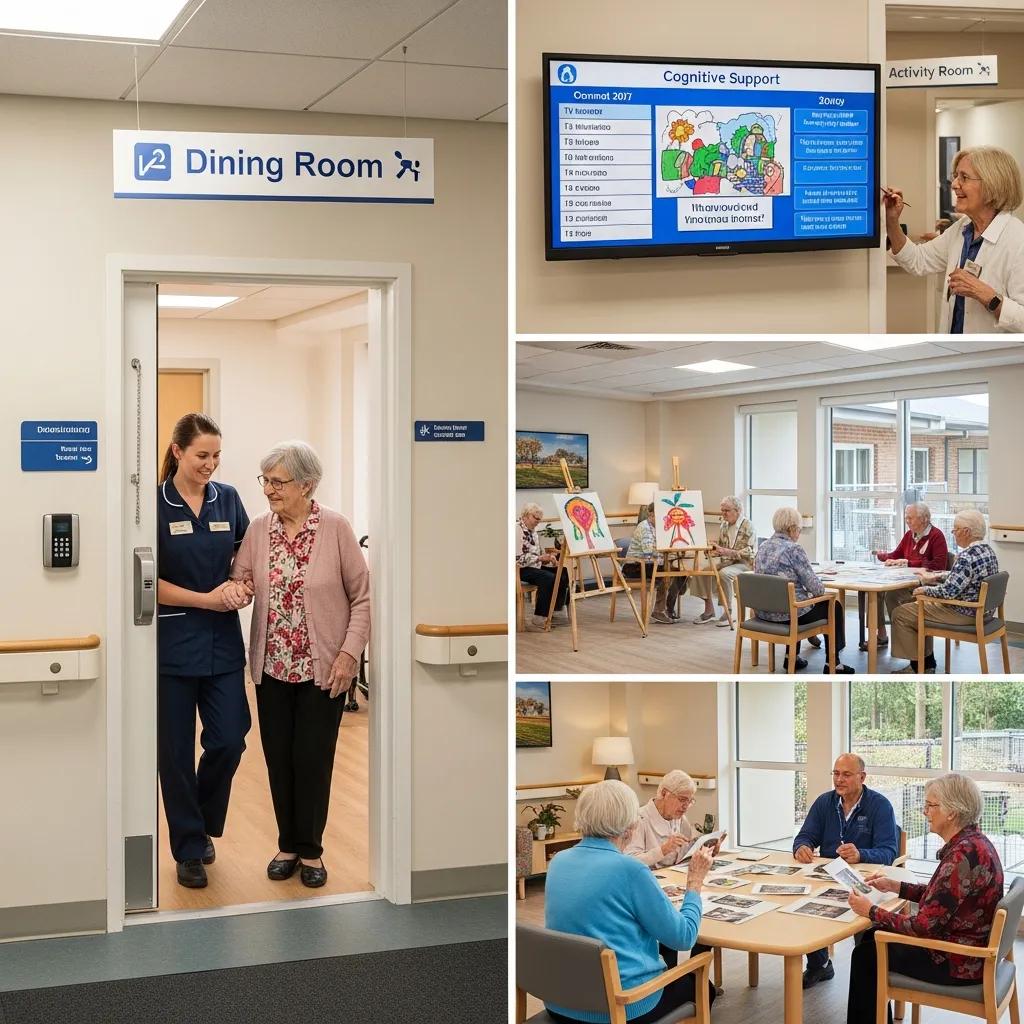
Safety is a primary concern in memory care facilities, which implement various measures to protect residents. These include:
- Secured Environments: Facilities often feature locked entrances and exits to prevent wandering.
- Staff Training: Caregivers receive specialized training in managing the behaviors associated with dementia and Alzheimer’s.
- Cognitive Support Programs: Many facilities offer structured activities designed to stimulate cognitive function and promote social interaction.
These safety measures and cognitive support strategies are essential for ensuring the well-being of residents in memory care communities. For additional dementia care resources, families can explore trusted external information to better understand care options.
What Are the Costs and Financial Considerations for Memory Care in Washington?
Understanding the costs associated with memory care is crucial for families planning for their loved one’s care. Memory care pricing can vary significantly based on location, facility type, and the level of care required.
Understanding Memory Care Pricing and Cost Factors in Washington State
Memory care costs in Washington State typically range from $5,000 to $10,000 per month, depending on the facility and services provided. Factors influencing pricing include:
- Location: Facilities in urban areas may charge higher rates than those in rural regions.
- Amenities: Communities offering more extensive services and amenities may have higher fees.
- Level of Care: The more specialized care required, the higher the cost.
Families should carefully evaluate these factors when considering memory care options.
Financial Planning and Assistance Options for Families
Financial planning for memory care can be daunting, but several resources are available to assist families. Options include:
- Long-Term Care Insurance: Policies may cover some or all memory care costs.
- Medicaid: In some cases, Medicaid can help cover expenses for eligible individuals.
- Veterans Benefits: Veterans and their families may qualify for additional financial assistance.
Exploring these options can help families manage the financial burden of memory care.
How Can Families Choose the Best Memory Care Community for Their Loved Ones?
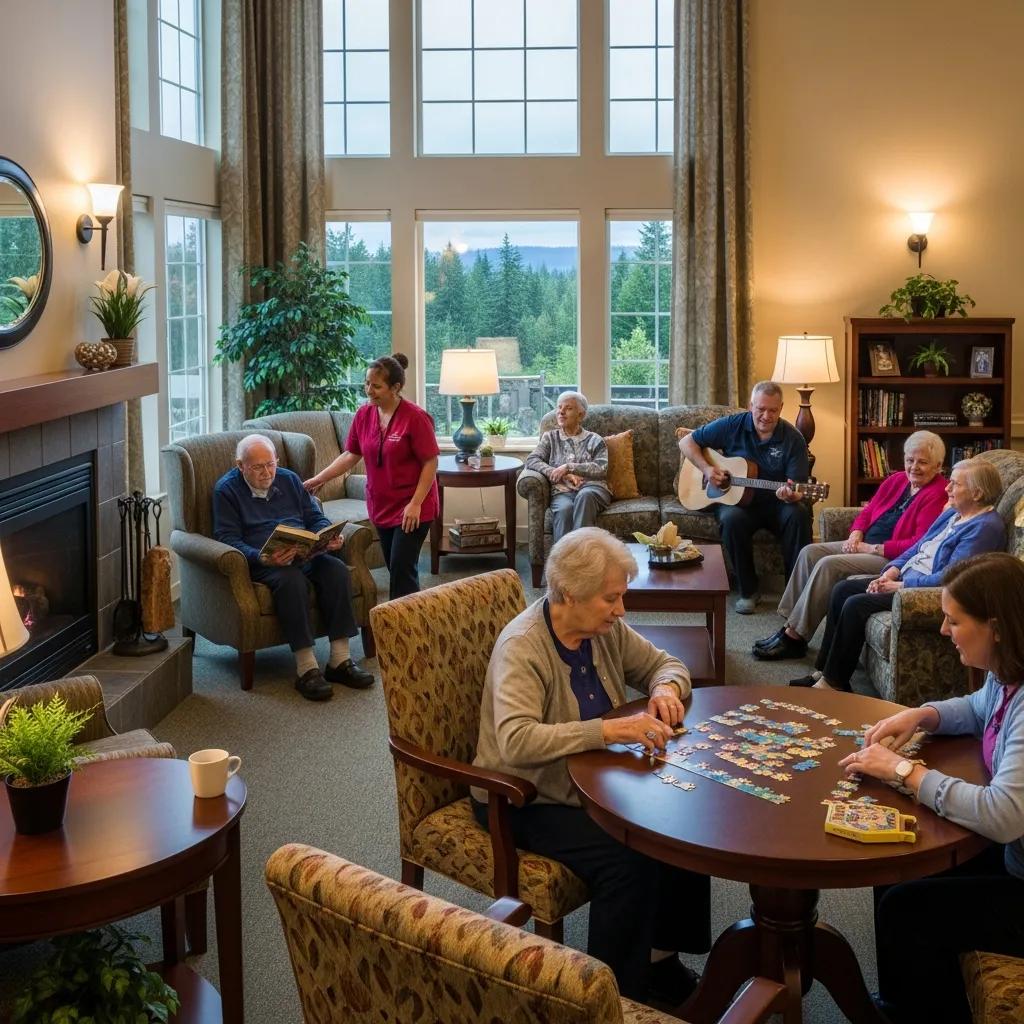
Choosing the right memory care community is a critical decision for families. It requires careful consideration of various factors to ensure the best fit for their loved one.
Key Criteria for Evaluating Memory Care Facilities and Services
When evaluating memory care facilities, families should consider the following criteria:
- Staff Qualifications: Look for facilities with trained staff experienced in memory care.
- Safety Features: Ensure the community has adequate safety measures in place.
- Activities and Programs: Evaluate the types of cognitive and social activities offered.
These criteria can help families identify a facility that meets their loved one’s needs.
Resources and Support for Caregivers Navigating Memory Care Decisions
Caregivers often face challenges when navigating memory care decisions. Resources available to support them include:
- Support Groups: Local and online support groups can provide emotional support and practical advice.
- Consultation Services: Professional consultants can help families assess their options and make informed decisions.
- Educational Materials: Books and online resources can offer valuable insights into memory care.
Utilizing these resources can empower caregivers and help them make the best choices for their loved ones. For more information, visit the Washington Senior Care Advisors homepage.
Conclusion
Understanding memory care options in Washington State is essential for families seeking the best support for their loved ones with cognitive impairments. By exploring the types of facilities, safety measures, and financial considerations, families can make informed decisions that enhance their loved one’s quality of life. We encourage you to reach out for personalized guidance and explore available resources to navigate this important journey. Take the next step in securing the best care for your loved one today.