

Adult Family Homes in Washington: A Comprehensive Guide for Families
Navigating the landscape of adult family homes in Washington can be a daunting task for families seeking the best care for their loved ones. This comprehensive guide provides essential insights into the types of homes available, services offered, state regulation and oversight, costs and financial assistance, and tips for selecting the right facility. By the end of this article, families will have a thorough understanding of adult family home care in Washington — including how to evaluate quality, understand costs, and leverage senior placement services to find the right fit.
Types of Homes Available
Adult family homes in Washington are small, state-licensed residential facilities that provide care for seniors in a home-like environment. These homes typically accommodate 2 to 6 residents (up to 8 with special DSHS approval), allowing for personalized attention and a more intimate setting compared to larger facilities. The primary benefit of adult family homes is the tailored care they offer, which can include assistance with daily living activities, medication management, and social engagement. Families often find this type of care offers a more personalized approach, making it an appealing option for many.
How Washington State Regulates and Inspects Adult Family Homes
When choosing an adult family home (AFH), understanding how the state oversees these homes can give families peace of mind.
In Washington, all adult family homes are regulated by the Washington State Department of Social and Health Services (DSHS). Every legitimate home must have a current DSHS license to operate.
Routine, Unannounced Inspections
DSHS conducts regular, unannounced inspections to ensure homes meet safety and care standards.
During these visits, inspectors review:
- Resident care and daily support
- Medication management
- Staff qualifications
- Resident rights and treatment
Because these inspections are not scheduled, they reflect the home’s true day-to-day conditions.
Public Reports and Transparency
Inspection reports and any violations are publicly available through the DSHS website.
Reviewing these reports helps families:
- Understand a home’s track record
- Identify patterns or concerns
- Make more informed decisions
If complaints are filed, DSHS investigates and may:
- Require corrective actions
- Issue fines
- Revoke a license in serious cases
As you evaluate adult family homes, it’s important to review their current DSHS license, recent inspection reports, and any past violations to ensure transparency and quality of care.
Expert Review of DSHS Inspection Reports
Washington Senior Care Advisors offers an RN-led team trained to analyze DSHS inspection histories, identify patterns of concern, and guide families toward homes with strong compliance records. This support removes the burden of navigating complex state records alone and helps ensure your loved one’s safety and well-being.

Comprehensive Services Offered by Washington Adult Family Homes
Adult family homes provide a variety of services designed to meet the unique needs of their residents. These services typically include:
- Personalized Care Plans: Each resident receives a care plan tailored to their specific needs, ensuring they receive appropriate support.
- 24/7 Supervision: Caregivers are available around the clock to assist residents with daily activities and respond to emergencies.
- Social Activities: Many homes offer organized activities to promote social interaction and engagement among residents, enhancing their quality of life.
These services are crucial in helping residents maintain their independence while receiving the support they need.
How to Choose the Right Adult Family Home for Your Senior Family Member?
Choosing the right adult family home for a loved one involves careful consideration and research. Here are essential tips to guide families:
- Assessing Needs: Evaluate the specific care needs of your loved one, including medical requirements and personal preferences.
- Visiting Multiple Homes: Schedule visits to several facilities to get a feel for the environment and the quality of care provided.
- Checking Staff Qualifications: Ensure that caregivers are properly trained and qualified to provide the necessary care.
- Verifying State Licensing: Confirm that the home holds a current, valid DSHS license and review its inspection history on the DSHS website.
By following these steps, families can make informed decisions that prioritize the well-being of their loved ones.
For families seeking assistance in this process, Washington senior placement services can provide valuable support in finding the right fit.
Additional Resources
Families looking for more information on adult family homes can benefit from various resources, including:
- Consultation Services: Many organizations offer free consultations to help families understand their options.
- Local Expertise: Engaging with local senior care advisors can provide insights into the best facilities in the area.
For personalized assistance, families can contact Washington Senior Care Advisors at (425) 230-3999 or via email at [email protected].
What Are the Costs of Adult Family Homes in Washington?
The cost of adult family homes can vary based on location, services provided, and the level of care needed. On average, families can expect to pay between $4,000 and $6,000 per month.
Average Monthly Costs by Care Type
Costs can vary significantly depending on an individual’s care needs, preferences, and the level of support required. As care becomes more specialized, such as in memory care or skilled nursing, costs typically increase.
Some families may qualify for financial assistance, including Medicaid and other programs.
Differences Between Adult Family Homes and Assisted Living Facilities
While both adult family homes and assisted living facilities provide care for seniors, there are key differences between the two. Adult family homes typically offer a more personalized, home-like environment with fewer residents, allowing for individualized attention. In contrast, assisted living facilities may accommodate larger numbers of residents and provide a wider range of services and amenities. Research on licensed residential care settings in Washington State confirms that adult family homes, assisted living, and adult residential care facilities each serve distinct populations with different care needs and regulatory frameworks. Understanding these differences can help families choose the best option based on their loved one’s specific needs and preferences.
Comprehensive Services Offered by Washington Adult Family Homes

Caregivers in Washington adult family homes must meet specific qualifications to ensure they can provide quality care. These qualifications typically include:
- Training: Caregivers must complete training programs covering medication management, first aid, and resident rights.
- Background Checks: All caregivers undergo background checks to ensure they have no disqualifying criminal history.
- Ongoing Education: Many facilities require caregivers to participate in ongoing education to stay current with best practices in senior care.
The services provided by caregivers can include assistance with daily living activities, medication management, and companionship — all tailored to meet the individual needs of residents.
Benefits of Working with a Senior Care Advisor
Senior care advisors play a vital role in helping families navigate the complex landscape of senior care options. Their services offer personalized assistance in finding the right adult family home based on the specific needs and preferences of the senior. Benefits of working with a senior care advisor include:
- Expert Guidance: Professionals provide valuable insights and recommendations based on their knowledge of local facilities.
- Time Savings: Families can save time and effort by relying on experts to conduct research and arrange visits.
- Support Throughout the Process: Senior placement services assist families from the initial search through the transition into the chosen facility.
How Senior Care Guidance Supports Families
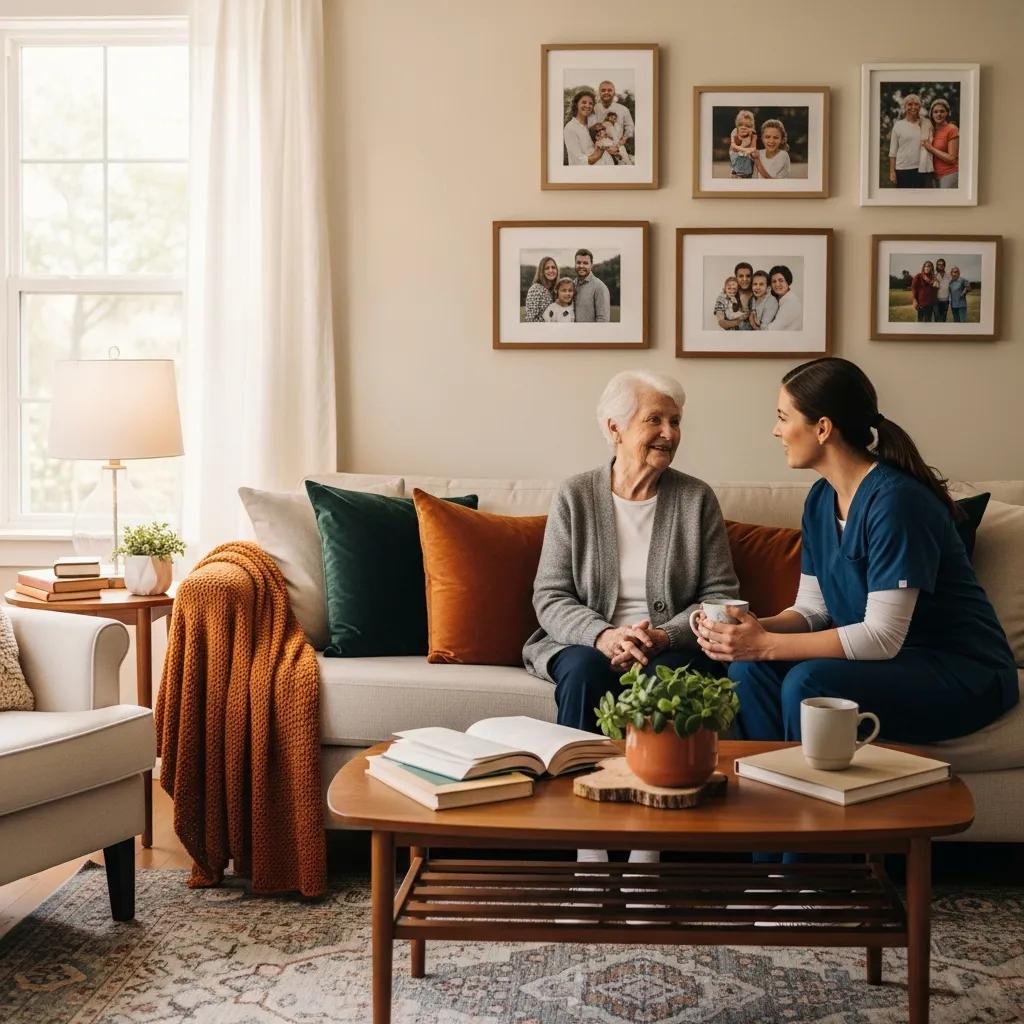
Expert senior care guidance serve as a bridge between families and adult family homes, offering essential support throughout the decision-making process. These services simplify the search for appropriate care options, ensuring that families find facilities that meet their loved ones’ needs. The role of senior placement services includes conducting assessments, providing facility recommendations, and facilitating tours of potential homes.
How We Guide Families Through the Process
The process for facilitating placement in licensed adult family homes typically involves several key steps:
- Assessment of Needs: A thorough assessment is conducted to determine the specific care needs of the senior.
- Research and Recommendations: Based on the assessment, suitable adult family homes are identified and recommended to the family.
- Facility Tours: Families are encouraged to visit multiple homes to evaluate the environment and meet the caregivers.
- Final Decision: Once a suitable home is identified, the placement process is initiated, ensuring a smooth transition for the senior.
This structured approach helps families navigate the complexities of senior care and find the best fit for their loved ones.
Find the Right Adult Family Home in Washington
Finding the right adult family home in Washington is one of the most important decisions a family can make. With the right guidance, families can confidently evaluate their options, understand state oversight, and choose a home that truly meets their loved one’s needs. Washington Senior Care Advisors’ RN-led team is here to help every step of the way.
Contact us today at (425) 230-3999 or [email protected] for a free consultation.